Canine Euthanasia: Do the risks outweigh the consequences?
- Feb 4, 2022
- 3 min read
Updated: Feb 4, 2022
At what point does the safety of humans surpass the love of an animal?
Can you really blame an animal for reacting to a perceived threat?
FOR
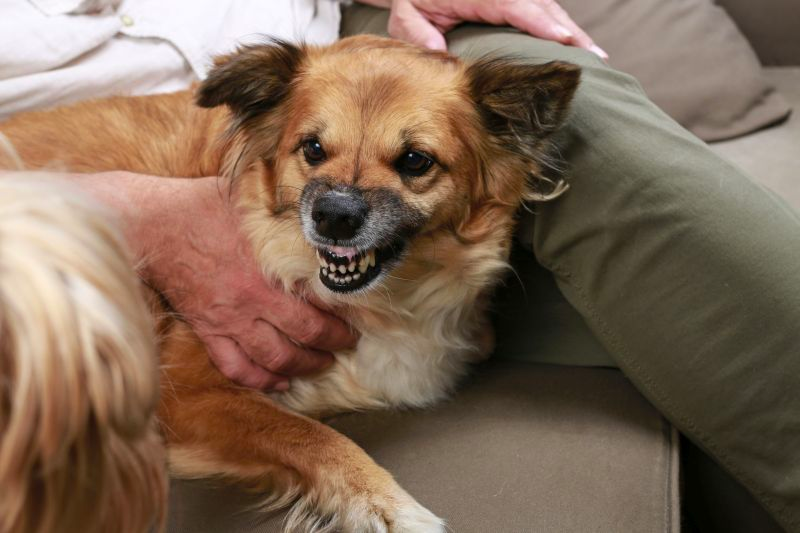
When considering putting down an aggressive dog, it’s important to define what exactly ‘aggressive’ means. Aggression can be defined as “an action in which a person is either injured or at clear risk of being injured by a dog,” states Patriciamcconnell.com. The resources needed to manage the dog should also be considered. The emotional and logistical ability to properly rehabilitate a dog with aggression issues should be thoughtfully assessed.
There are also some legal precedents that should be considered. According to Rehome.com, actions vary by city, country, or state. In Pennsylvania, “If a dangerous dog, through the intentional, reckless, or negligent conduct of its owner, attacks a person or domestic animal, the owner is guilty of a misdemeanor of the second degree, and face up to two years in prison,” according to Edgarsnyder.com. In more serious cases, “if a dangerous dog, through the intentional, reckless, or negligent conduct of its owner, aggressively attacks and causes severe injury or death of a person, the owner is guilty of a misdemeanor in the first degree, and faces up to five years in prison,” says Edgarsnyder.com. As it’s clearly laid out, continuing to own an aggressive dog increases the chance that it may attack again and can get you as the owner, in serious trouble. The risk you're willing to take should be assessed when considering if you’re going to keep an aggressive dog or euthanize it.
It is also important to recognize the emotional trauma that comes with this decision. On one hand, putting down a family pet can be heartbreaking. On the other hand, it may be even more emotionally damaging if a dog with known aggression issues attacks and injures a loved one. Let’s say, for example, that an aggressive dog injures a newborn. You, as the owner, have to live with the fact that you knew this might happen, and did nothing about it. You chose to put your child in a potentially dangerous situation, and now you must suffer the consequences. As the owner of an aggressive dog, you must decide if that’s the level of emotional trauma you’re going to take your chances with.

AGAINST
Euthanizing your family pet is the last thing you’d want to do, especially when there are other options. Dogs are animals after all, so you cannot blame them for acting as such. When dogs face a perceived threat, it should be no surprise that they may act in defense. When dogs act aggressively, it’s important to understand why, and take responsibility for what you may have done to upset the dog. It is the responsibility of the people around the dog to regulate their actions with consideration of the dog’s animalistic instincts.
Almost every dog will have some behavior issues at first, but they can be remedied through proper training. Euthanizing a dog is an extreme solution to a fixable problem. According to Midogguide.com, dedicated and focused training can change a dog’s behavior in 3-8 weeks. This short amount of time can change your dog’s life instead of ending it.
As the owner, you can also change your dog-parenting habits to help control your dog's aggression. K9ofmine.com suggests things like muzzling your dog when on walks, limiting the areas in which your dog can go, and limiting your dog to less-stimulating environments. By simply changing the life your dog lives, you can prevent it from feeling intimidated and resorting to aggressive behavior. These simple changes are far more reasonable than putting your dog down.
If you decide that you cannot take care of an aggressive dog yourself, there is always the option to rehome it. While it can still be emotionally draining to do that, it prevents you from having to take extreme measures. Canine Journal suggests a few steps to do this properly. First, they recommend contacting the shelter or breeder that you got your dog from. “Many of them have stipulations in the adoption process stating that if a dog requires rehoming, you need to contact them first,” says Canine Journal. If the opportunity arises, it may be in your best interest to rehome the dog with someone who is willing and able to rehabilitate your dog. This way you know that your dog will be getting the help it needs and isn’t in danger of being euthanized by a shelter. If that is not the case, then you should consider surrendering your dog to a no-kill shelter. While it may not be the ideal solution, your dog gets to keep its life.



Comments